
These stories are based on confidential interviews conducted as part of the CDC Listening Project. Participants review and approve written summaries describing their work, their contributions, and the circumstances surrounding their separation. Stories are published without names or identifying details.

From Data to Classrooms: Building Quality and Reach of School Health Surveys
For 30 years, this CDC health scientist helped lead national school-based surveys that gave communities, states, and school districts critical data to improve the health of young people.

Data vs. Disease after Wars and Natural Disasters
Over a 16-year CDC career, this epidemiologist helped respond to global emergencies, build surveillance systems, and support violence prevention efforts that improved public health in communities around the world.

Developing Advanced Lab Tests to Inform Polio Eradication Strategy
This CDC scientist spent more than three decades helping protect children from paralysis. Work advancing PCR testing, genetic sequencing, and global laboratory training informed vaccination strategy in 131 countries and helped drive wild poliovirus to the brink of eradication.

Harnessing State-Level Epidemiological Data to Reduce Maternal Mortality
When Illinois released its first comprehensive maternal mortality report, the First Lady of Illinois and the U.S. Surgeon General stood behind it—and major policy changes followed. This CDC maternal and child health epidemiologist helped redesign the state’s maternal death review process from the ground up, translating data into actionable recommendations that expanded postpartum Medicaid coverage and strengthened systems to prevent preventable deaths.
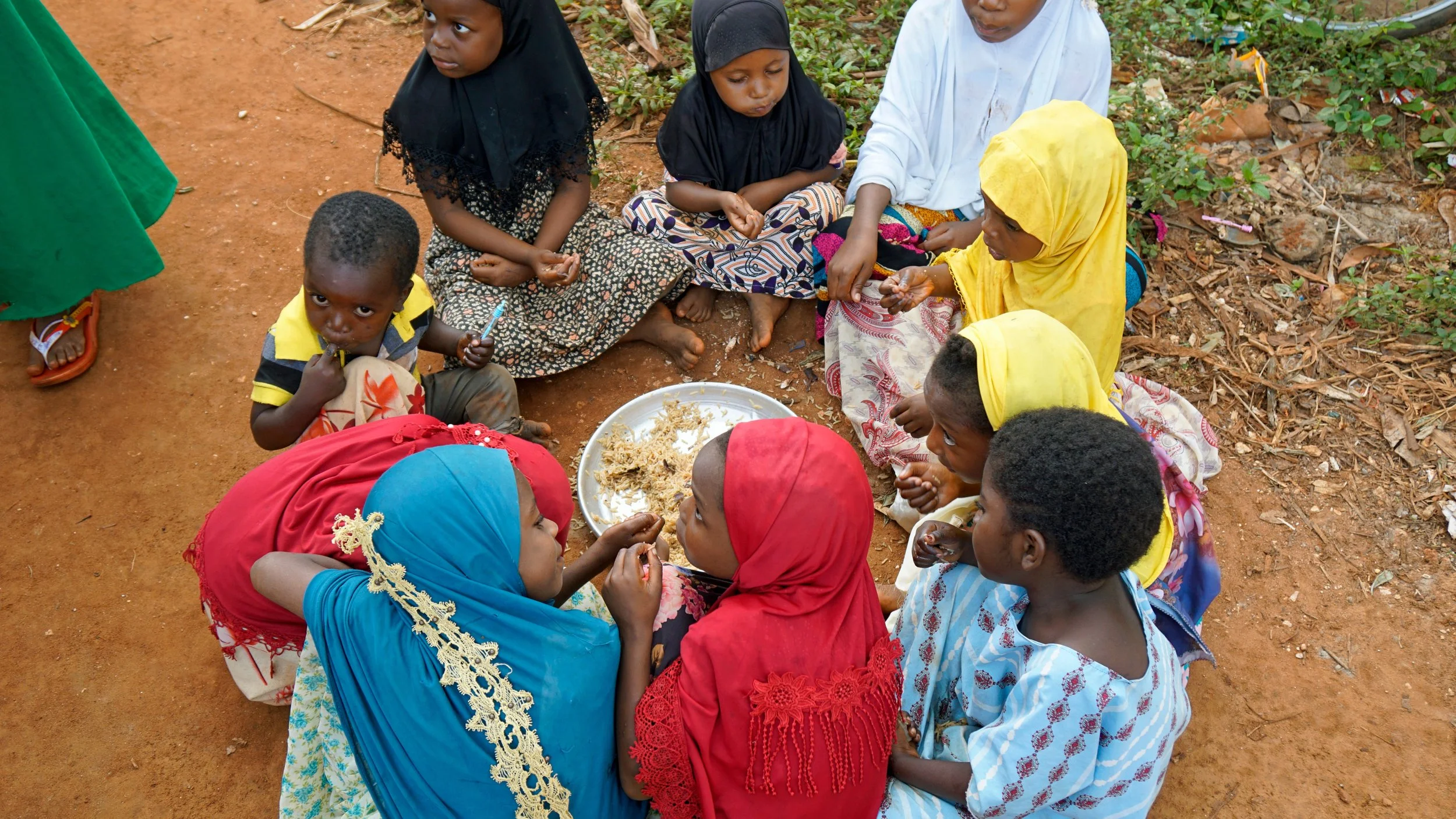
Turning Data Into Action to Prevent Violence Against Children
When national data revealed that more than one in three girls in a country had experienced sexual violence, governments took notice. This CDC health scientist helped build the Violence Against Children and Youth Surveys from a pilot effort into a rigorous global initiative spanning 24 countries—providing the evidence that drove policy reform, prevention programs, and measurable declines in violence.