
These stories are based on confidential interviews conducted as part of the CDC Listening Project. Participants review and approve written summaries describing their work, their contributions, and the circumstances surrounding their separation. Stories are published without names or identifying details.

From Polio Eradication to Post-9/11 Response: An EIS Experience That Shaped an Air Force Career
A veterinarian epidemiologist worked on polio eradication in Pakistan, led syndromic surveillance in New York City after 9/11, and helped respond to the anthrax attacks—experiences that shaped decades of work in public health and epidemiology.

Data vs. Disease after Wars and Natural Disasters
Over a 16-year CDC career, this epidemiologist helped respond to global emergencies, build surveillance systems, and support violence prevention efforts that improved public health in communities around the world.
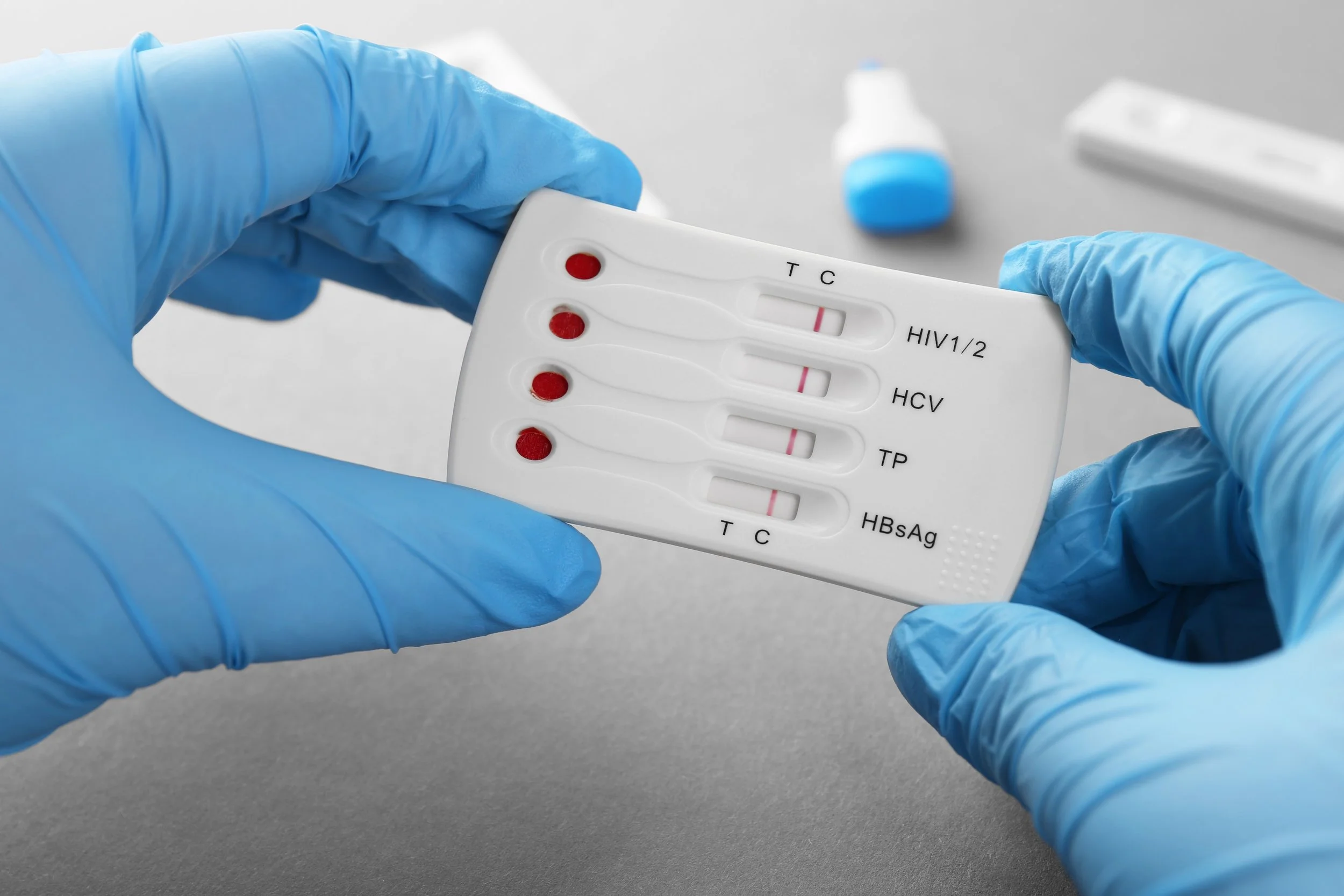
Breaking Down Barriers Across HIV, STI, and Global Health Programs
Across 35 years at CDC, this public health advisor broke down program silos, turned data into action, and led complex operations spanning the early HIV epidemic, the President’s Emergency Plan for AIDS Relief (PEPFAR), and a $92 million-per-month federal emergency site for unaccompanied children. His leadership earned recognition from CDC and outside institutions.
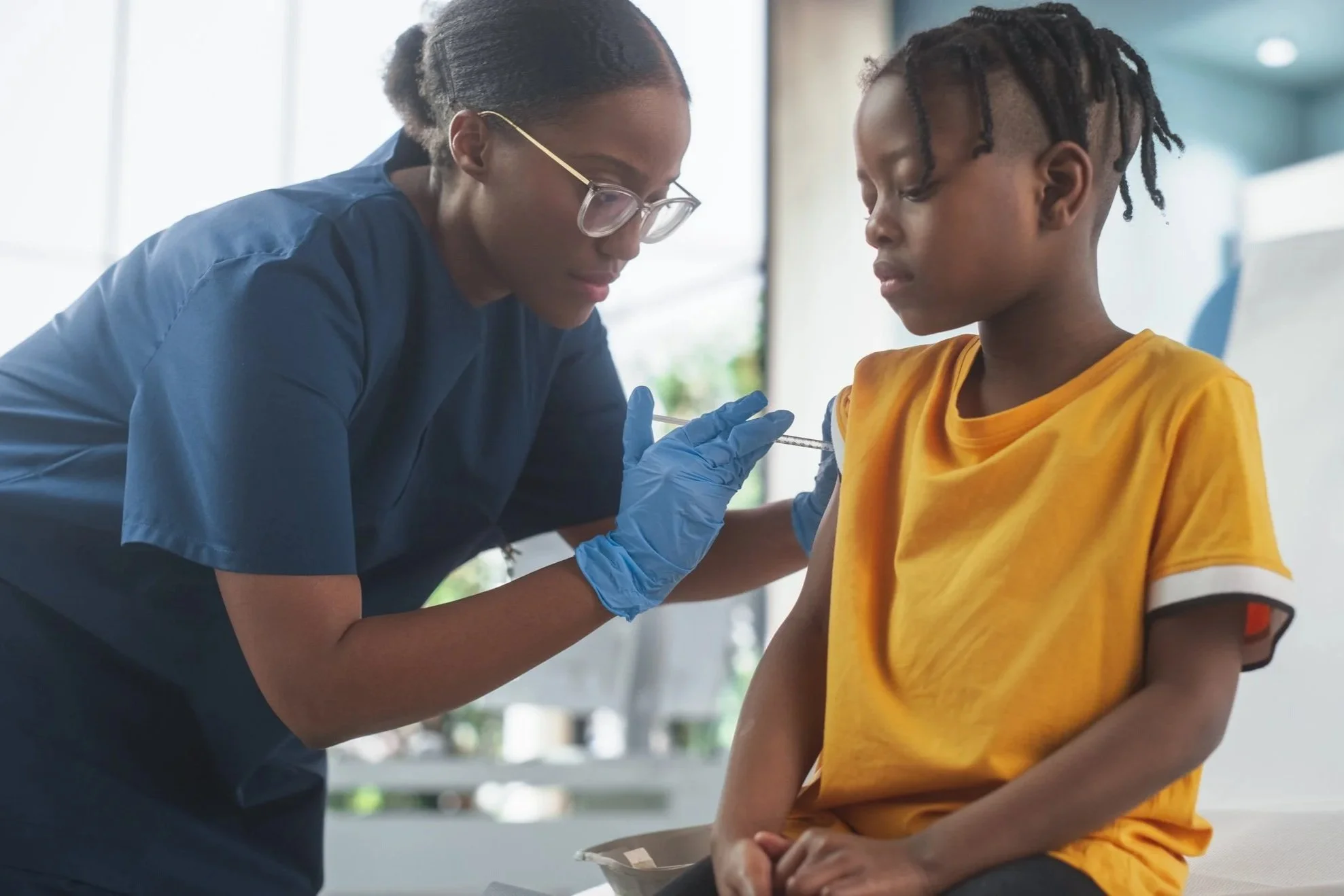
Developing Advanced Lab Tests to Inform Polio Eradication Strategy
This CDC scientist spent more than three decades helping protect children from paralysis. Work advancing PCR testing, genetic sequencing, and global laboratory training informed vaccination strategy in 131 countries and helped drive wild poliovirus to the brink of eradication.
Communication Saves Lives: The Media Campaigns Behind Smoking Prevention
From executive correspondence at the CDC Director’s office to running the Media Campaign Resource Center, this communications pro connected states to evidence-based media strategies—supporting campaigns that helped more than a million people quit smoking.

Partnering with MTV to Get Young People Talking About and Testing for STIs
This CDC health communication leader designed, evaluated, and led evidence-based campaigns on HPV, sexual health, Ebola, Zika, and COVID-19, combining behavioral science, strategic partnerships, and rapid translation of data to reach millions and strengthen public health efforts in the U.S. and abroad.

Building Local Capacity to Detect Health Threats and Mount Strategic Responses
This public health leader built systems that strengthened outbreak response, workforce training, and strategic planning nationwide. During COVID-19, this CDC professional helped streamline emergency grant distribution—processing hundreds of awards in days instead of months—to ensure states, tribes, and communities received critical resources when they needed them most.