
These stories are based on confidential interviews conducted as part of the CDC Listening Project. Participants review and approve written summaries describing their work, their contributions, and the circumstances surrounding their separation. Stories are published without names or identifying details.
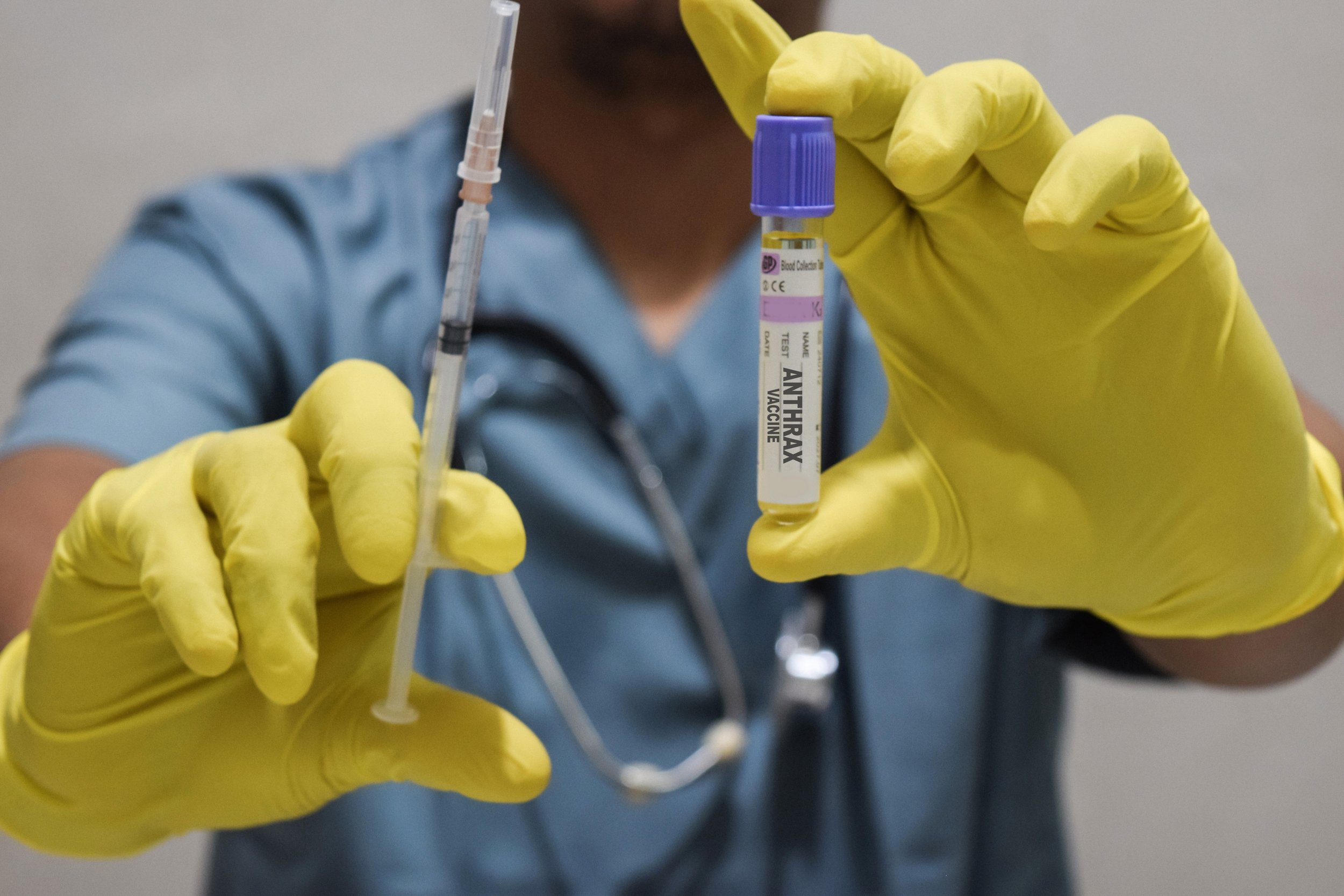
From Polio Eradication to Post-9/11 Response: An EIS Experience That Shaped an Air Force Career
A veterinarian epidemiologist worked on polio eradication in Pakistan, led syndromic surveillance in New York City after 9/11, and helped respond to the anthrax attacks—experiences that shaped decades of work in public health and epidemiology.

Providing Unbiased Data for Sexual Health Decisions and Policy
Over more than three decades in reproductive health, this epidemiologist strengthened the evidence behind condom use, contraception, infertility, and maternal and reproductive health surveillance—helping providers and public health programs make better-informed decisions.

From Data to Classrooms: Building Quality and Reach of School Health Surveys
For 30 years, this CDC health scientist helped lead national school-based surveys that gave communities, states, and school districts critical data to improve the health of young people.

Helping States Reduce Family and Intimate Partner Violence
A social worker turned CDC Public Health Advisor reflects on a career spent helping states prevent sexual and intimate partner violence, building a nationally respected technical assistance team, and translating research into practical public health action.

Data vs. Disease after Wars and Natural Disasters
Over a 16-year CDC career, this epidemiologist helped respond to global emergencies, build surveillance systems, and support violence prevention efforts that improved public health in communities around the world.

Breaking Down Barriers Across HIV, STI, and Global Health Programs
Across 35 years at CDC, this public health advisor broke down program silos, turned data into action, and led complex operations spanning the early HIV epidemic, the President’s Emergency Plan for AIDS Relief (PEPFAR), and a $92 million-per-month federal emergency site for unaccompanied children. His leadership earned recognition from CDC and outside institutions.

From National Partnerships to Local Impact, Strengthening Public Health With Science
This public health advisor spent over 25 years helping national organizations, states, schools, and communities implement and pass along evidence-based practices that reduced smoking and hospital infections, increased physical activity, and strengthened the public health workforce.
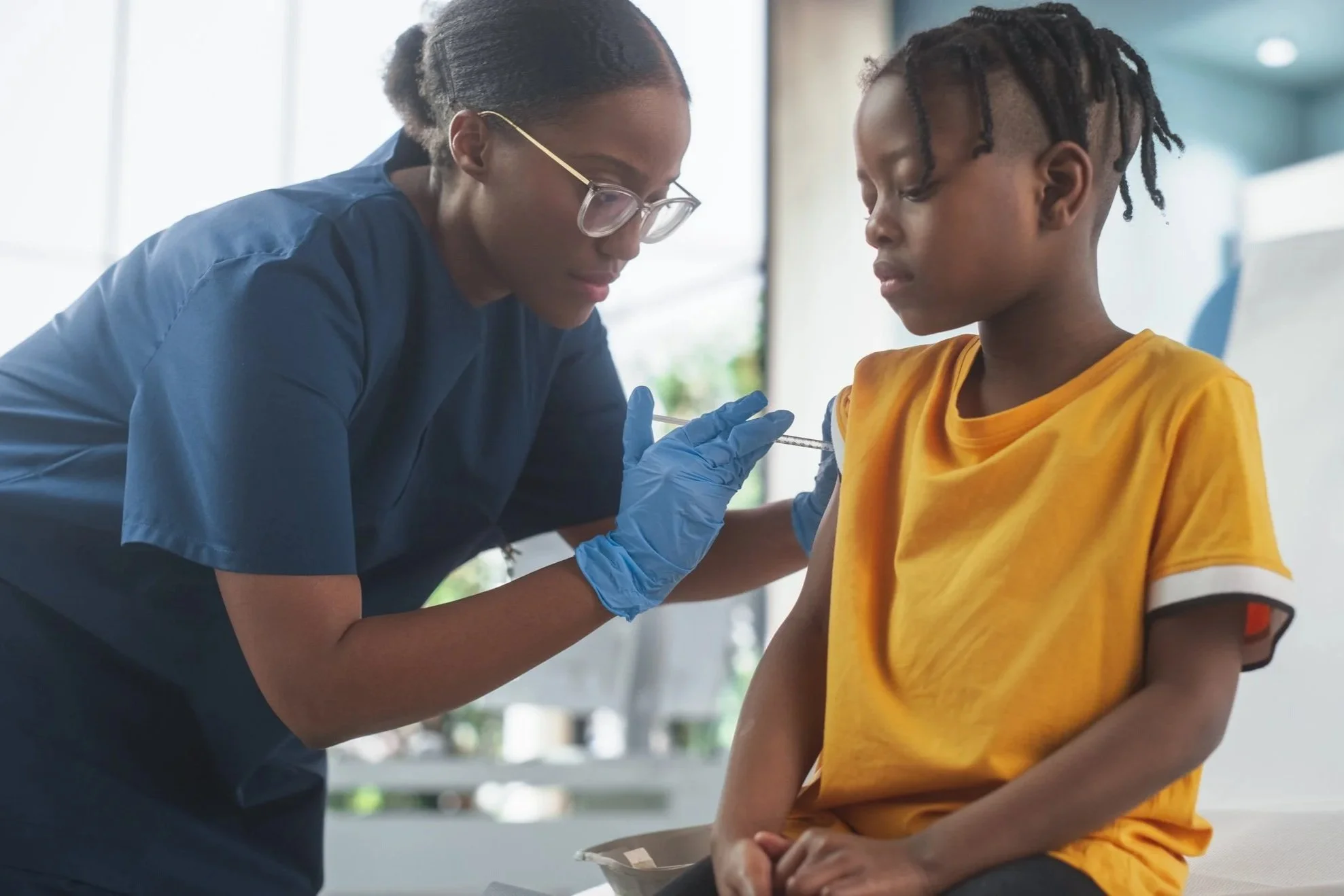
Developing Advanced Lab Tests to Inform Polio Eradication Strategy
This CDC scientist spent more than three decades helping protect children from paralysis. Work advancing PCR testing, genetic sequencing, and global laboratory training informed vaccination strategy in 131 countries and helped drive wild poliovirus to the brink of eradication.
Communication Saves Lives: The Media Campaigns Behind Smoking Prevention
From executive correspondence at the CDC Director’s office to running the Media Campaign Resource Center, this communications pro connected states to evidence-based media strategies—supporting campaigns that helped more than a million people quit smoking.

Harnessing State-Level Epidemiological Data to Reduce Maternal Mortality
When Illinois released its first comprehensive maternal mortality report, the First Lady of Illinois and the U.S. Surgeon General stood behind it—and major policy changes followed. This CDC maternal and child health epidemiologist helped redesign the state’s maternal death review process from the ground up, translating data into actionable recommendations that expanded postpartum Medicaid coverage and strengthened systems to prevent preventable deaths.

Partnering with MTV to Get Young People Talking About and Testing for STIs
This CDC health communication leader designed, evaluated, and led evidence-based campaigns on HPV, sexual health, Ebola, Zika, and COVID-19, combining behavioral science, strategic partnerships, and rapid translation of data to reach millions and strengthen public health efforts in the U.S. and abroad.
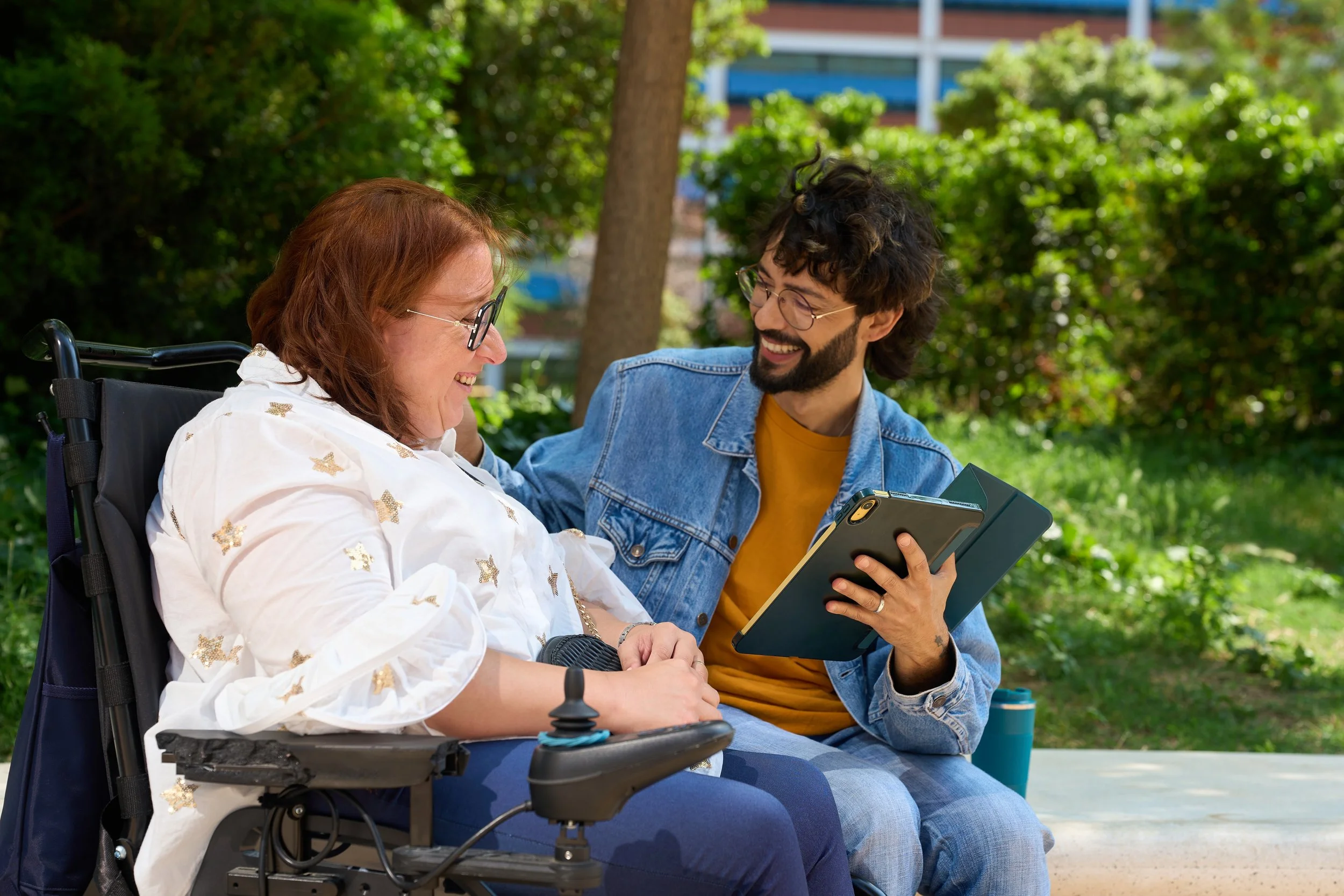
It Was Hard With My Disability, But I Made Things Easier for Other Staff
From administrative assistant to a systems innovator. In over 13 years, this CDC professional designed tools used by 1,400 staff, rewrote thousands of webpages in plain language, made complex work run faster, and saved taxpayers millions of dollars.
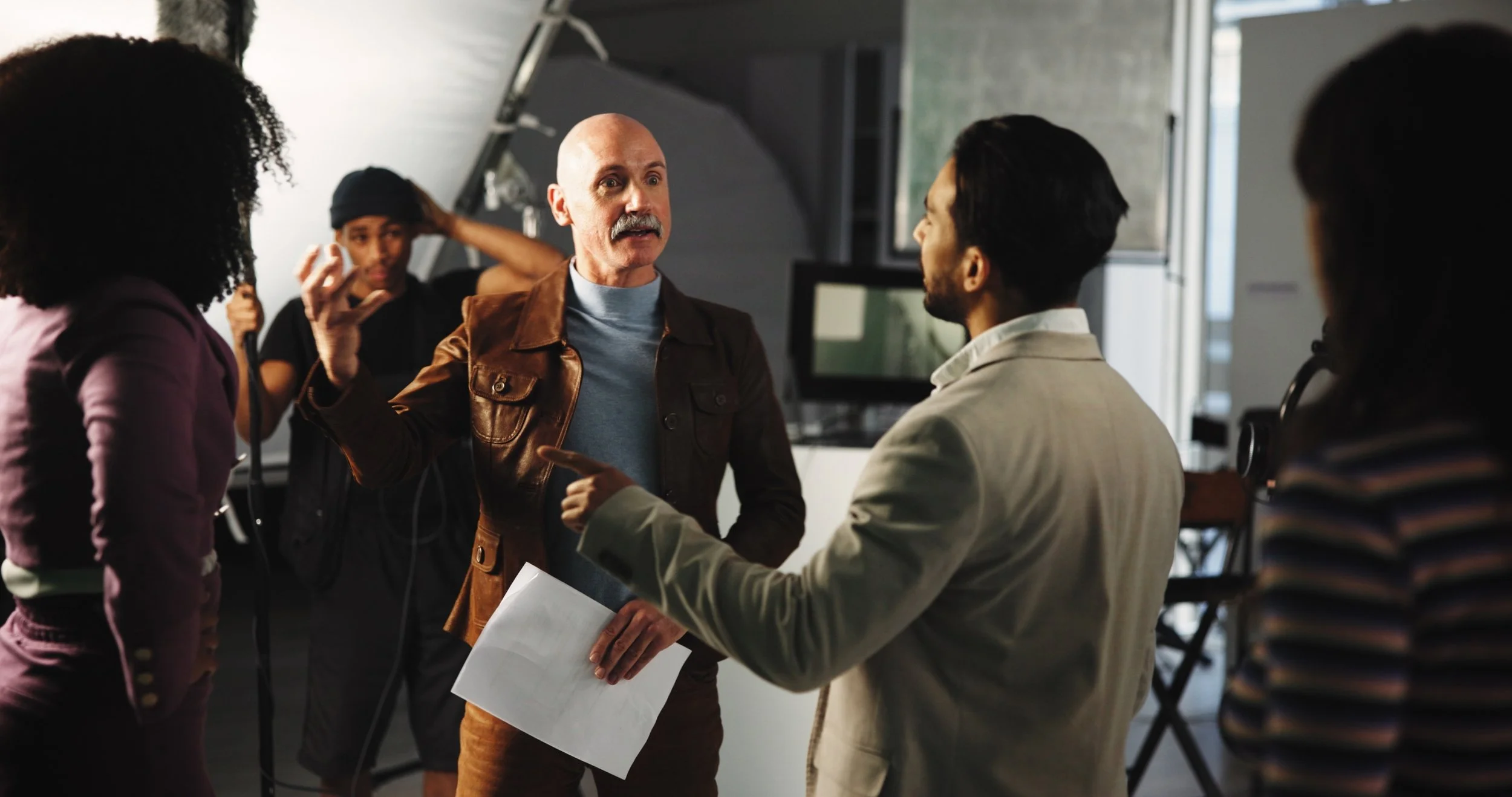
Background in Videotaping CEOs Led to Better Footage of CDC Experts
When a CDC expert appeared calm, clear, and compelling on local television during an outbreak, it wasn’t by accident. Behind the camera was a veteran videographer who had once filmed CEOs, celebrities, and a former president. At CDC, this broadcast specialist used decades of production experience to help scientists connect with the public—turning complex public health guidance into human stories that informed, reassured, and reached millions.

Saving, Cataloging, and Showcasing CDC’s Key Artifacts and Memories
Before there were smartphones, before smallpox was eradicated, before vaccine safety systems were formalized—there were people making decisions in real time. This CDC historian and collections manager worked to preserve those moments. By restoring artifacts, cataloging decades of materials, and building a public oral history archive, this historian helped safeguard the human stories behind the science so future generations could learn from them.

Building Local Capacity to Detect Health Threats and Mount Strategic Responses
This public health leader built systems that strengthened outbreak response, workforce training, and strategic planning nationwide. During COVID-19, this CDC professional helped streamline emergency grant distribution—processing hundreds of awards in days instead of months—to ensure states, tribes, and communities received critical resources when they needed them most.
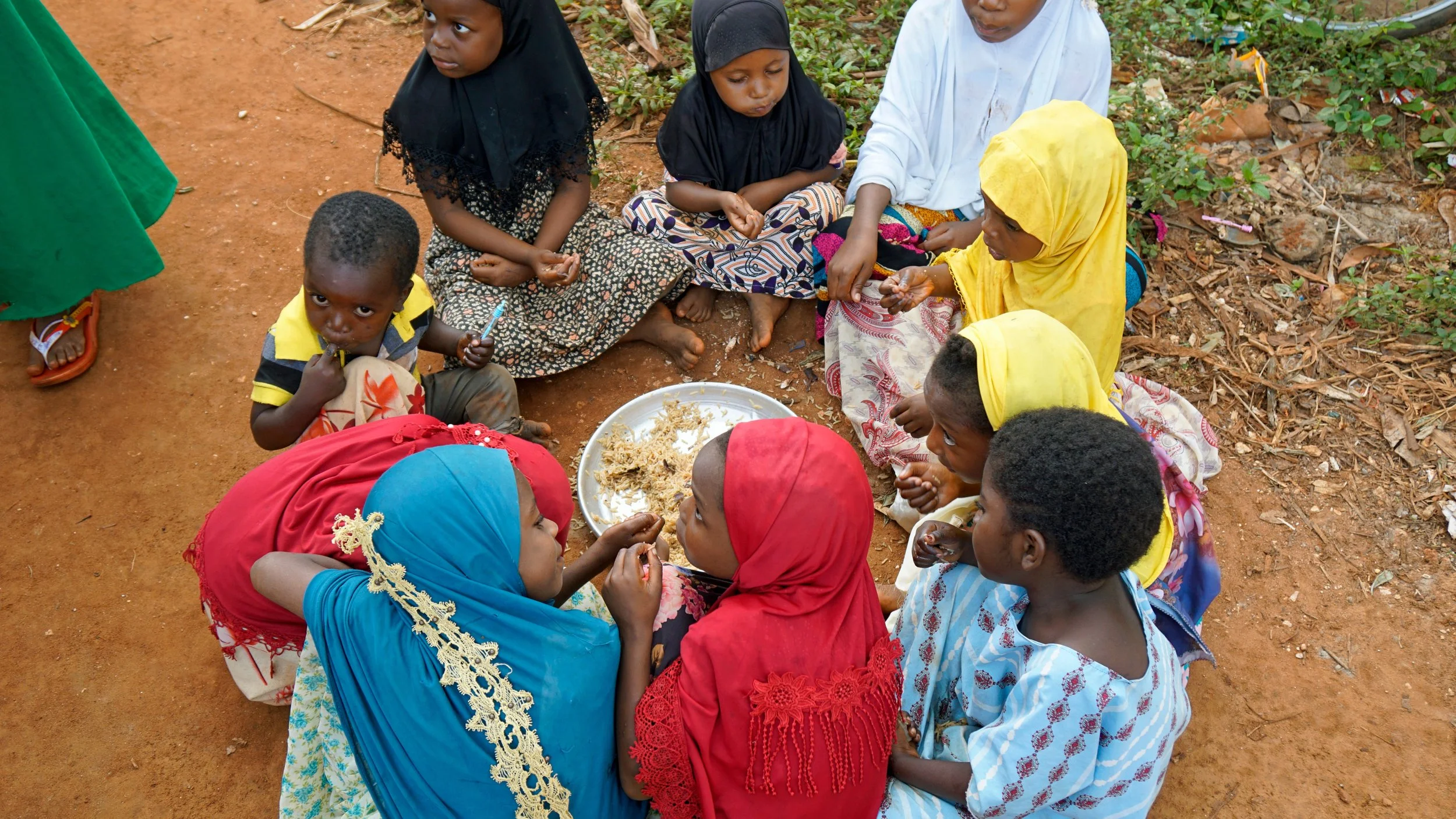
Turning Data Into Action to Prevent Violence Against Children
When national data revealed that more than one in three girls in a country had experienced sexual violence, governments took notice. This CDC health scientist helped build the Violence Against Children and Youth Surveys from a pilot effort into a rigorous global initiative spanning 24 countries—providing the evidence that drove policy reform, prevention programs, and measurable declines in violence.

From Children’s Books to Cruise Ship Outbreaks: Creative Communication in Public Health
From emergency deployments during hurricanes, Zika, and COVID-19 to leading national vaccine equity campaigns and advancing digital accessibility, this CDC public health leader used data and creativity to help communities access clear, inclusive health information. Their work strengthened language access, improved public health messaging, and built agency-wide capacity to communicate about health equity.

From Peace Corps to Organizing Community Health Workers During Covid
From Peace Corps service in South Africa to organizing community health workers during the COVID-19 pandemic and supporting youth overdose prevention coalitions nationwide, this CDC public health professional built a career grounded in service, partnership, and prevention. Their work strengthened community-based responses in some of the country’s hardest hit areas.

Making Critical Guidance on Hospital Infections Easier for Clinicians to Use
What happens when 900 pages of infection control guidance move from paper to online without redesign? Confusion and delays. This CDC health communicator applied user experience science to transform complex public health guidance into clear, accessible digital resources—ensuring that clinicians, health departments, and communities could quickly find and use life-saving information.