
These stories are based on confidential interviews conducted as part of the CDC Listening Project. Participants review and approve written summaries describing their work, their contributions, and the circumstances surrounding their separation. Stories are published without names or identifying details.
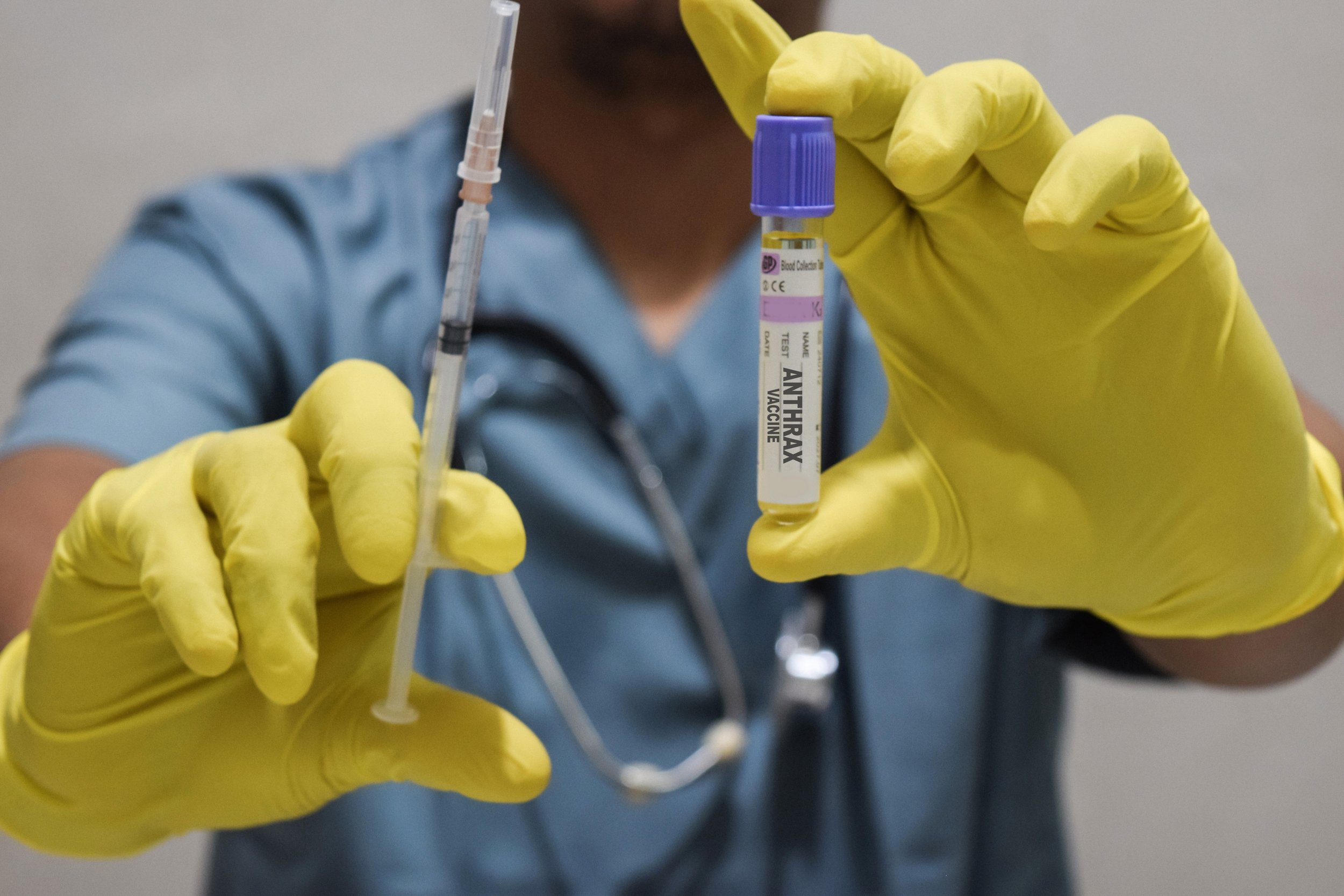
From Polio Eradication to Post-9/11 Response: An EIS Experience That Shaped an Air Force Career
A veterinarian epidemiologist worked on polio eradication in Pakistan, led syndromic surveillance in New York City after 9/11, and helped respond to the anthrax attacks—experiences that shaped decades of work in public health and epidemiology.

Providing Unbiased Data for Sexual Health Decisions and Policy
Over more than three decades in reproductive health, this epidemiologist strengthened the evidence behind condom use, contraception, infertility, and maternal and reproductive health surveillance—helping providers and public health programs make better-informed decisions.

Data vs. Disease after Wars and Natural Disasters
Over a 16-year CDC career, this epidemiologist helped respond to global emergencies, build surveillance systems, and support violence prevention efforts that improved public health in communities around the world.
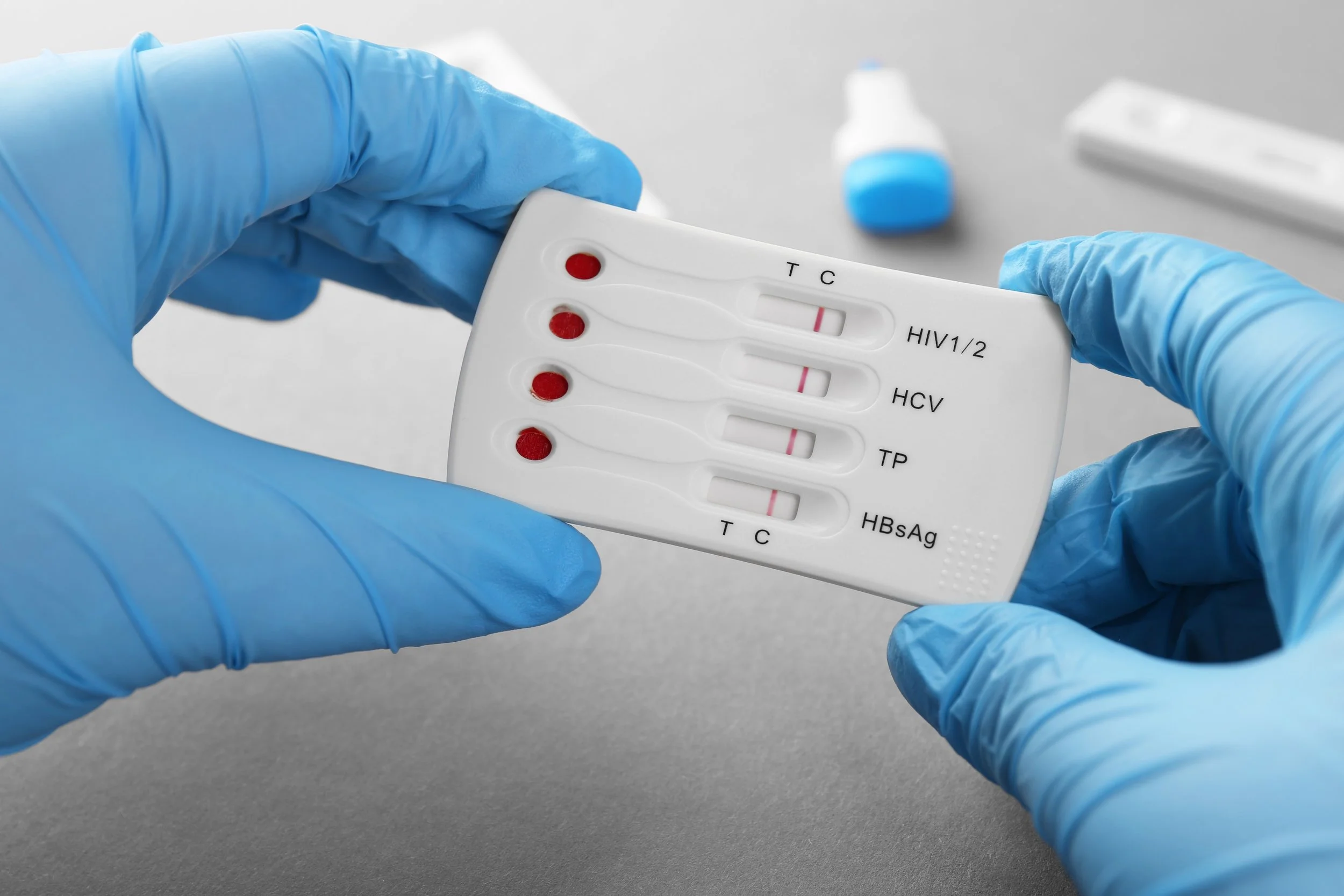
Breaking Down Barriers Across HIV, STI, and Global Health Programs
Across 35 years at CDC, this public health advisor broke down program silos, turned data into action, and led complex operations spanning the early HIV epidemic, the President’s Emergency Plan for AIDS Relief (PEPFAR), and a $92 million-per-month federal emergency site for unaccompanied children. His leadership earned recognition from CDC and outside institutions.