
These stories are based on confidential interviews conducted as part of the CDC Listening Project. Participants review and approve written summaries describing their work, their contributions, and the circumstances surrounding their separation. Stories are published without names or identifying details.
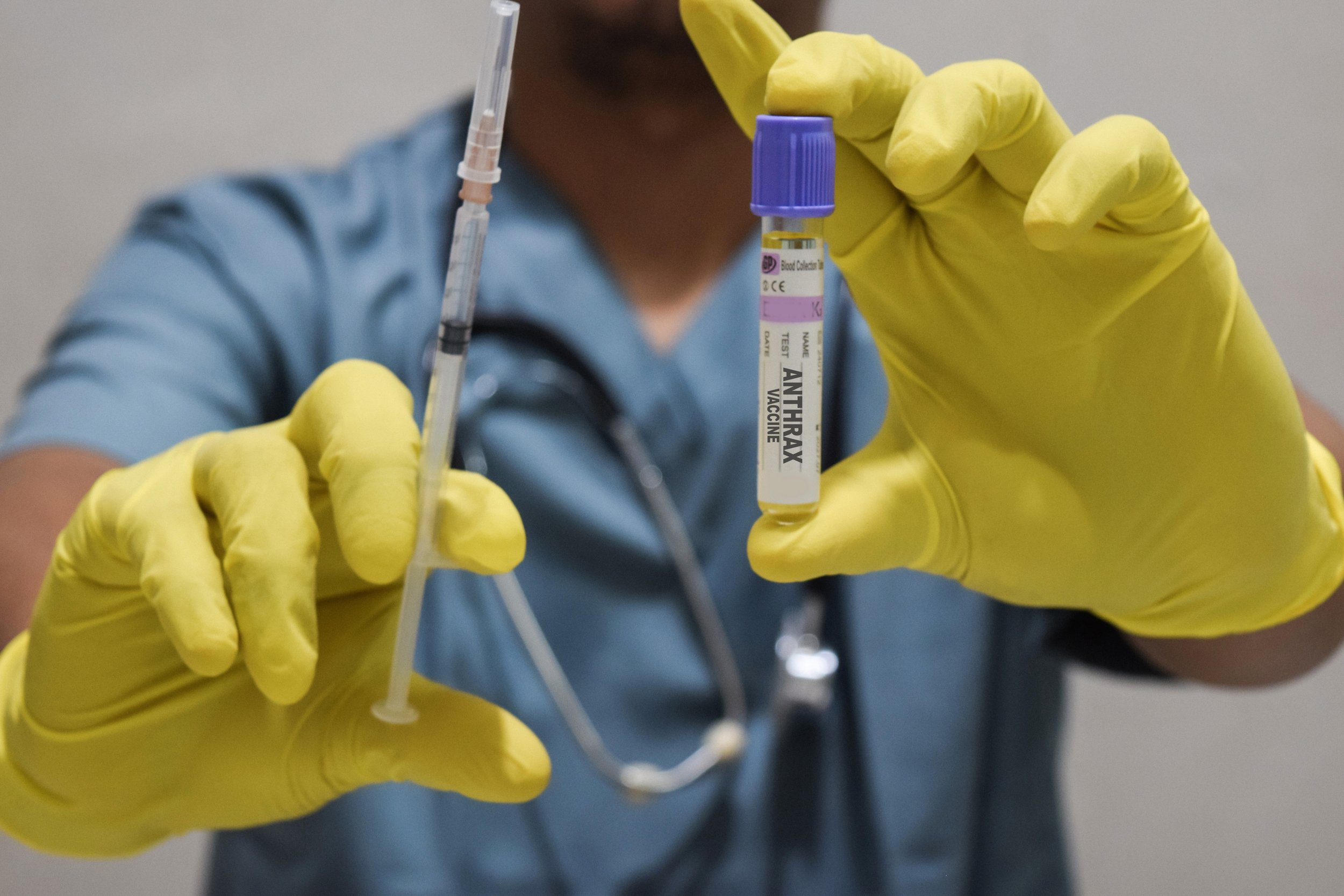
From Polio Eradication to Post-9/11 Response: An EIS Experience That Shaped an Air Force Career
A veterinarian epidemiologist worked on polio eradication in Pakistan, led syndromic surveillance in New York City after 9/11, and helped respond to the anthrax attacks—experiences that shaped decades of work in public health and epidemiology.
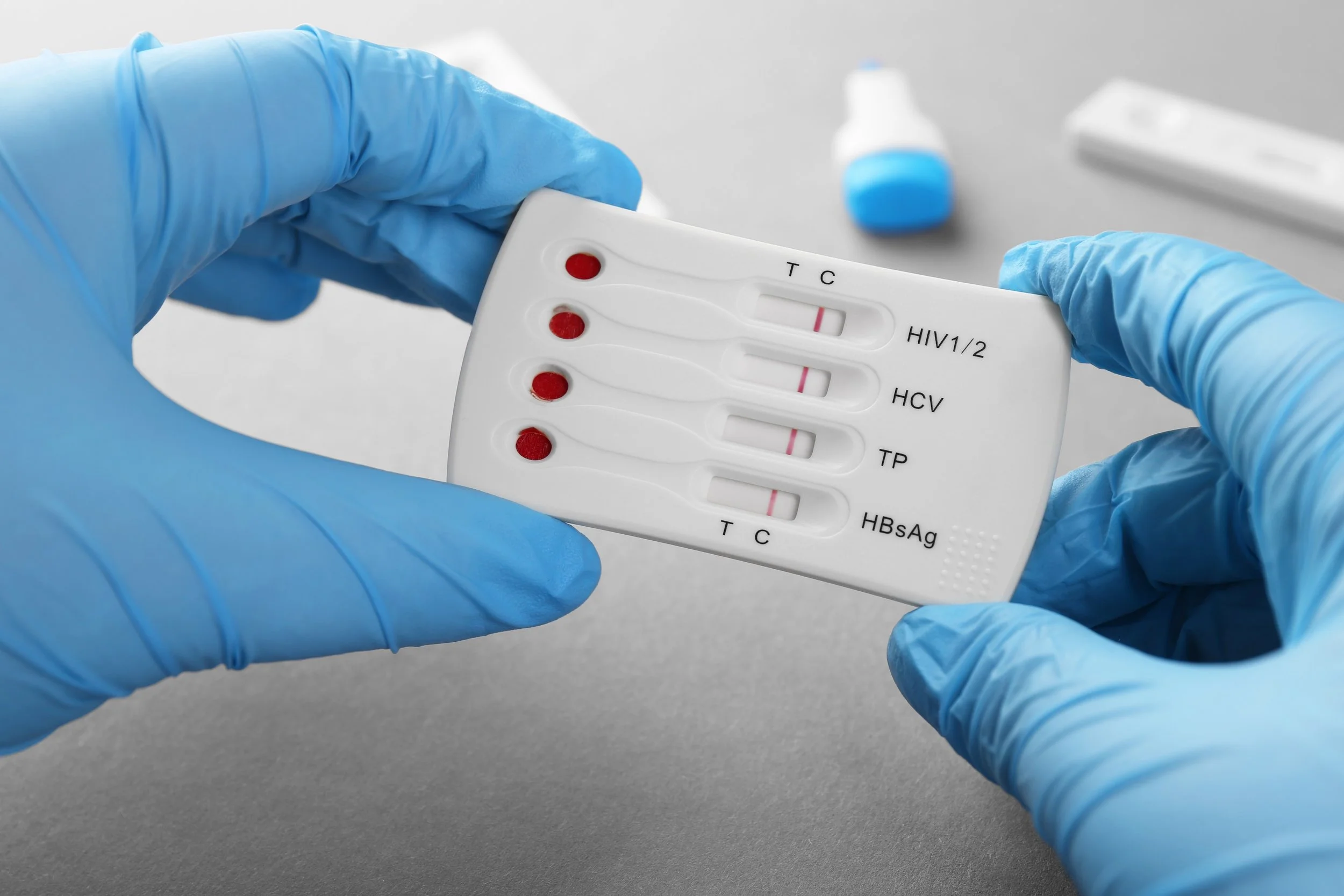
Breaking Down Barriers Across HIV, STI, and Global Health Programs
Across 35 years at CDC, this public health advisor broke down program silos, turned data into action, and led complex operations spanning the early HIV epidemic, the President’s Emergency Plan for AIDS Relief (PEPFAR), and a $92 million-per-month federal emergency site for unaccompanied children. His leadership earned recognition from CDC and outside institutions.

Developing Advanced Lab Tests to Inform Polio Eradication Strategy
This CDC scientist spent more than three decades helping protect children from paralysis. Work advancing PCR testing, genetic sequencing, and global laboratory training informed vaccination strategy in 131 countries and helped drive wild poliovirus to the brink of eradication.

Saving, Cataloging, and Showcasing CDC’s Key Artifacts and Memories
Before there were smartphones, before smallpox was eradicated, before vaccine safety systems were formalized—there were people making decisions in real time. This CDC historian and collections manager worked to preserve those moments. By restoring artifacts, cataloging decades of materials, and building a public oral history archive, this historian helped safeguard the human stories behind the science so future generations could learn from them.